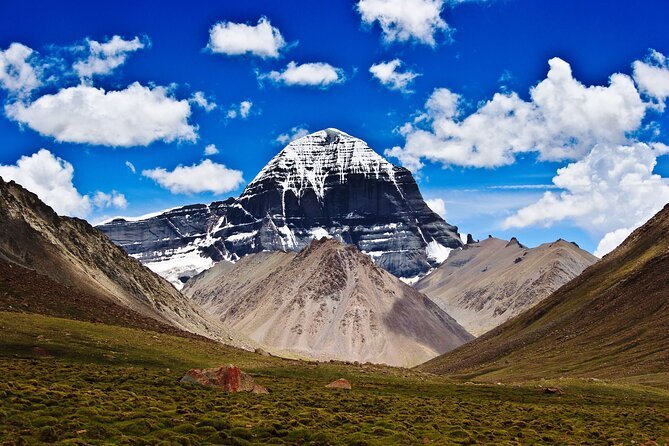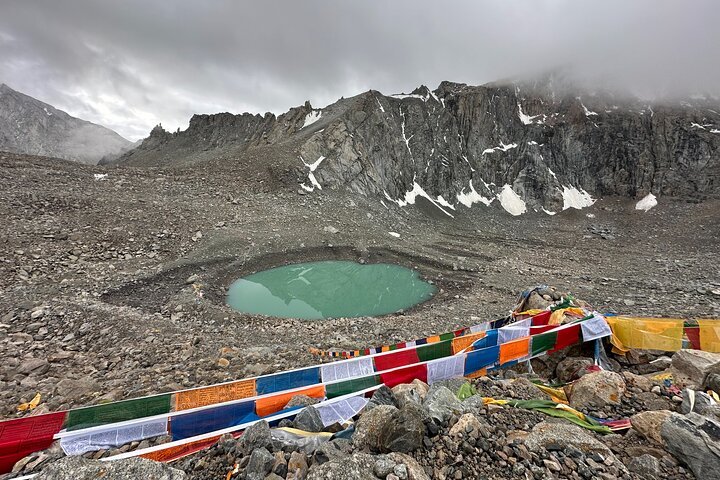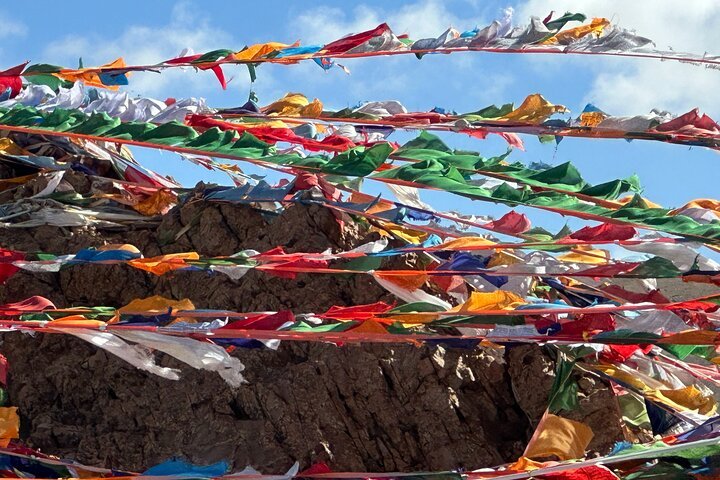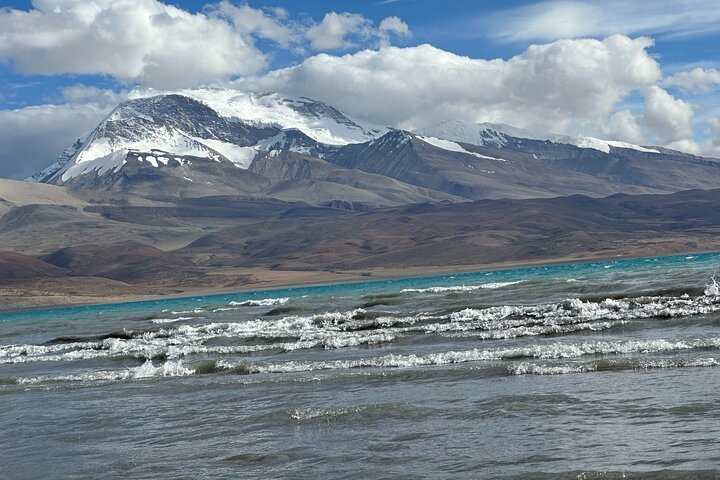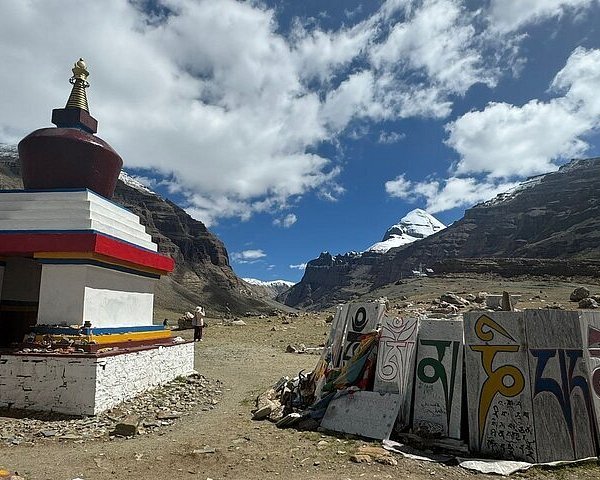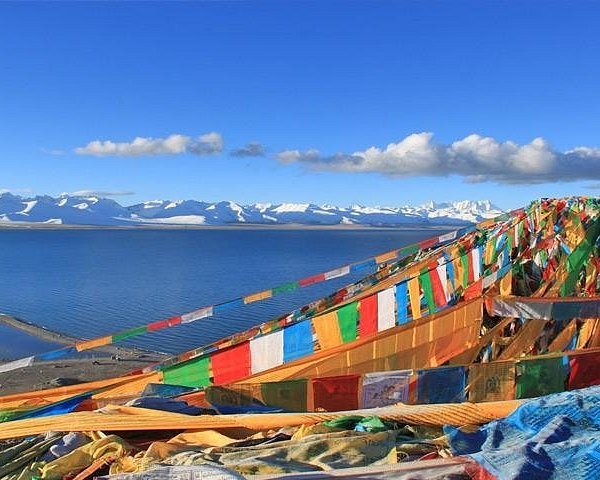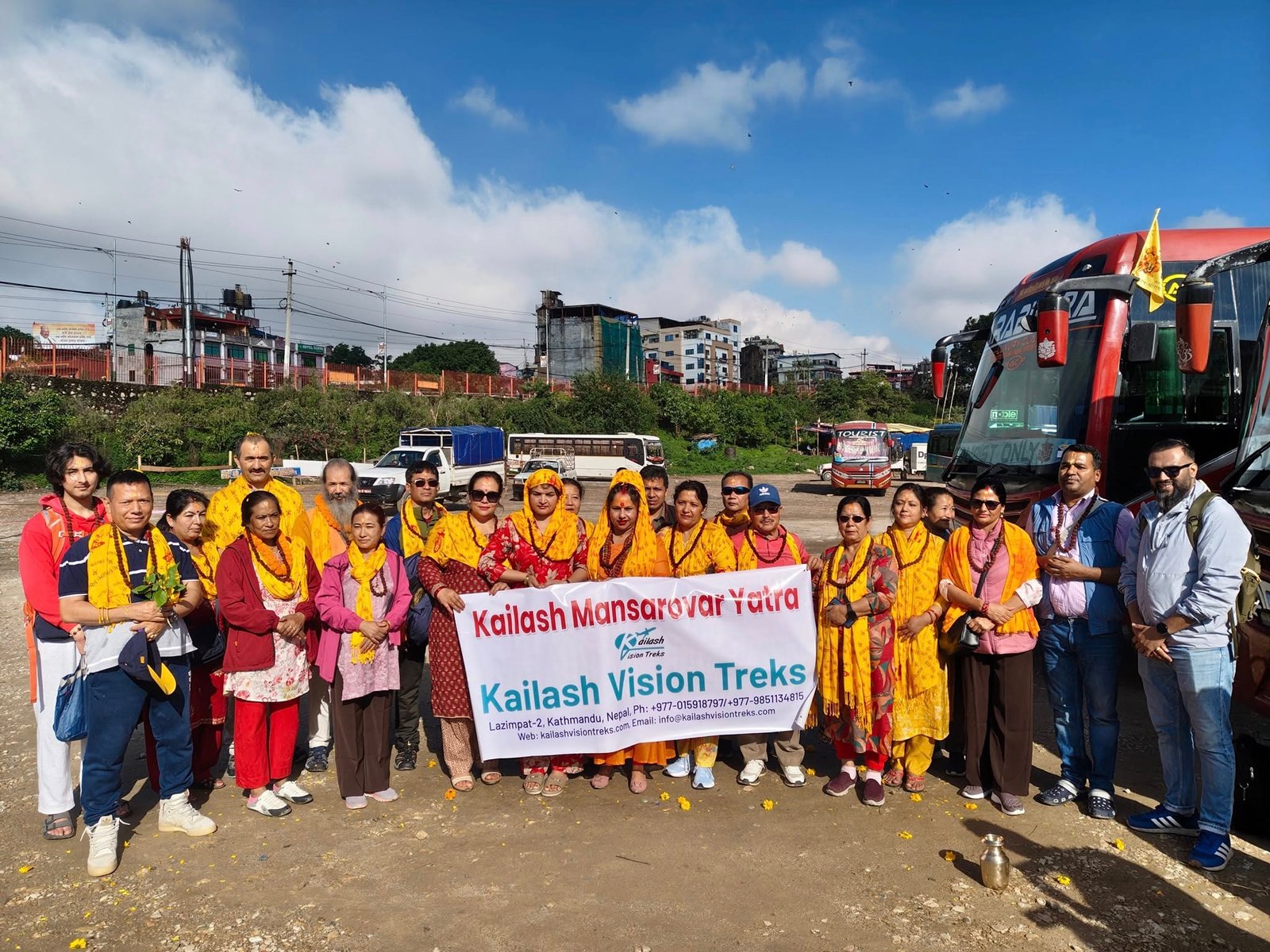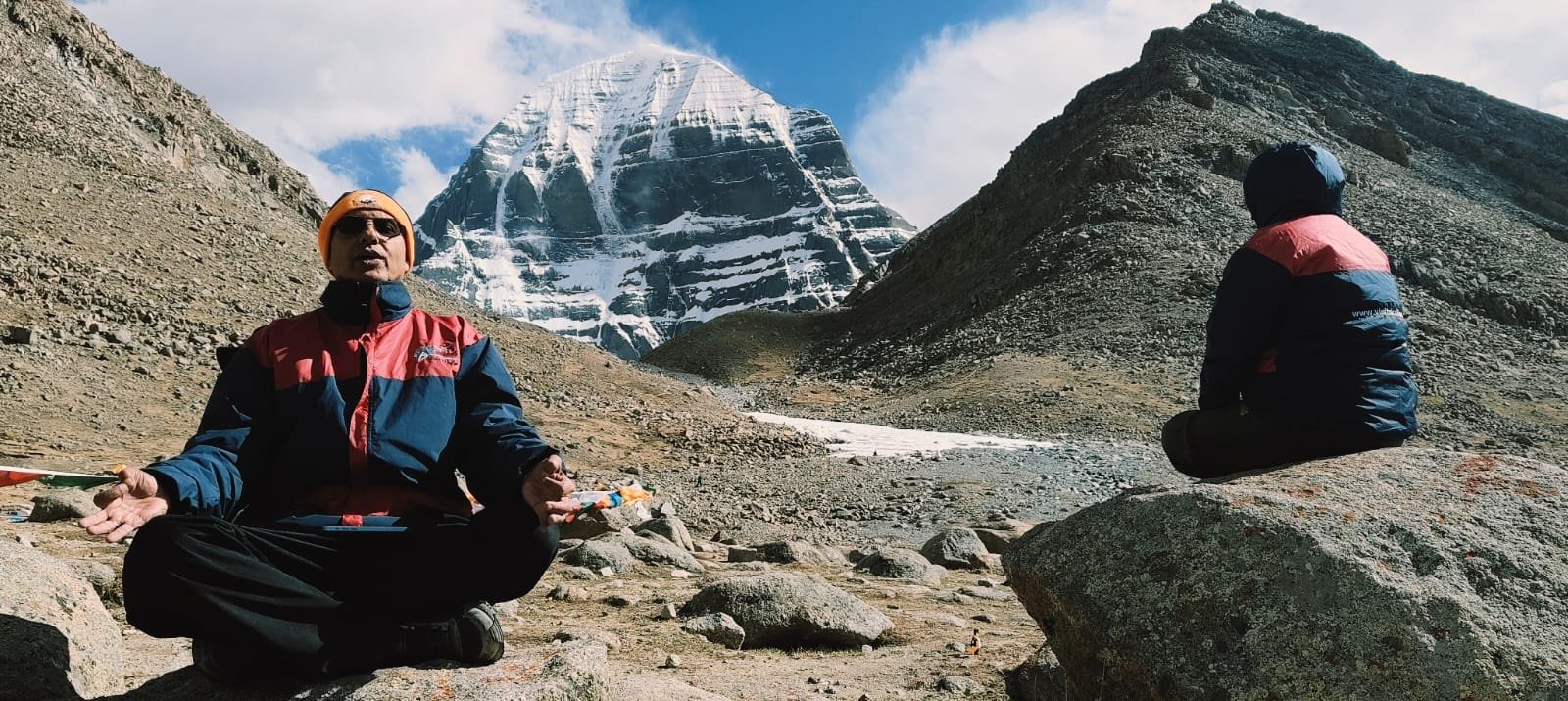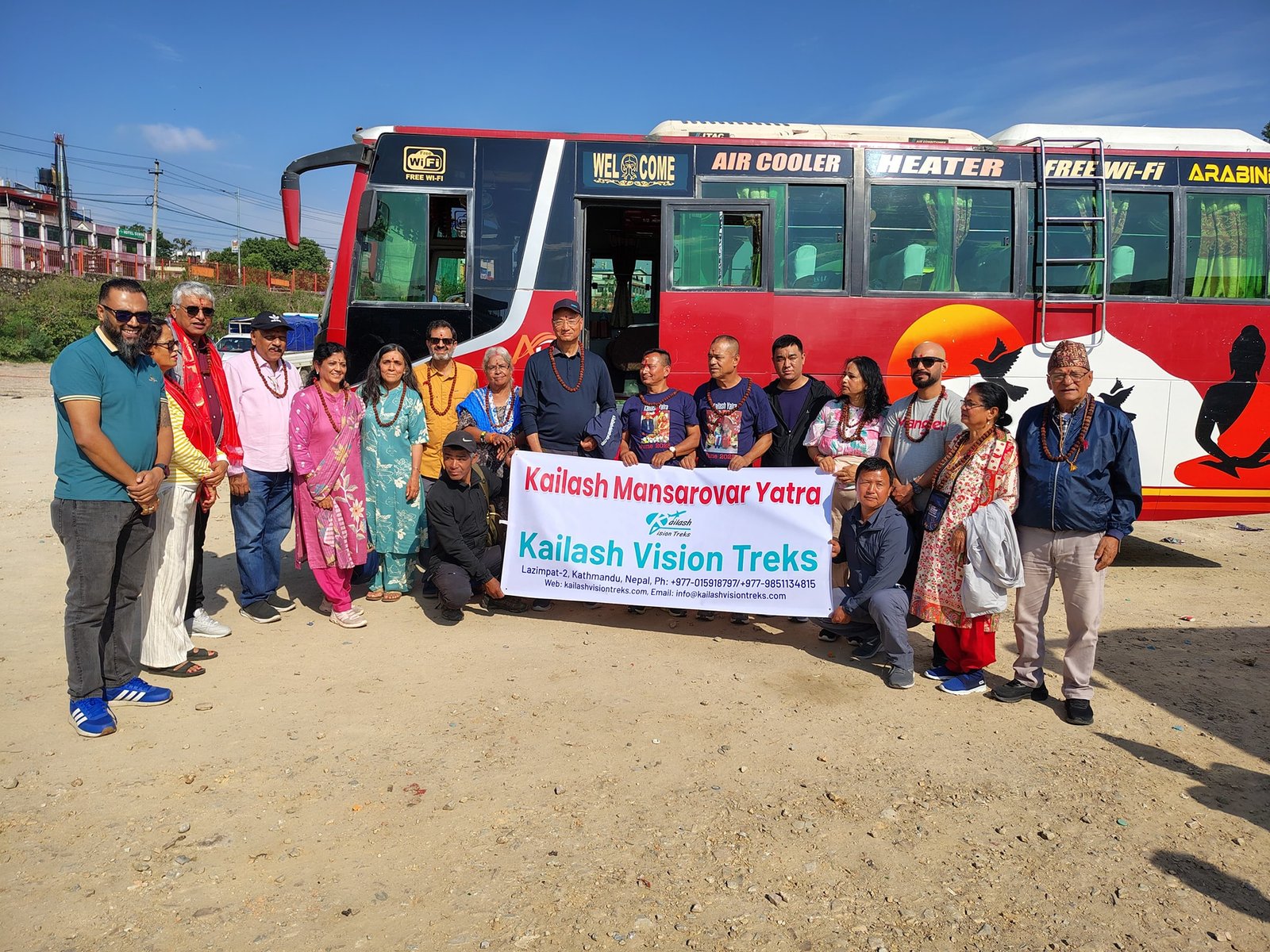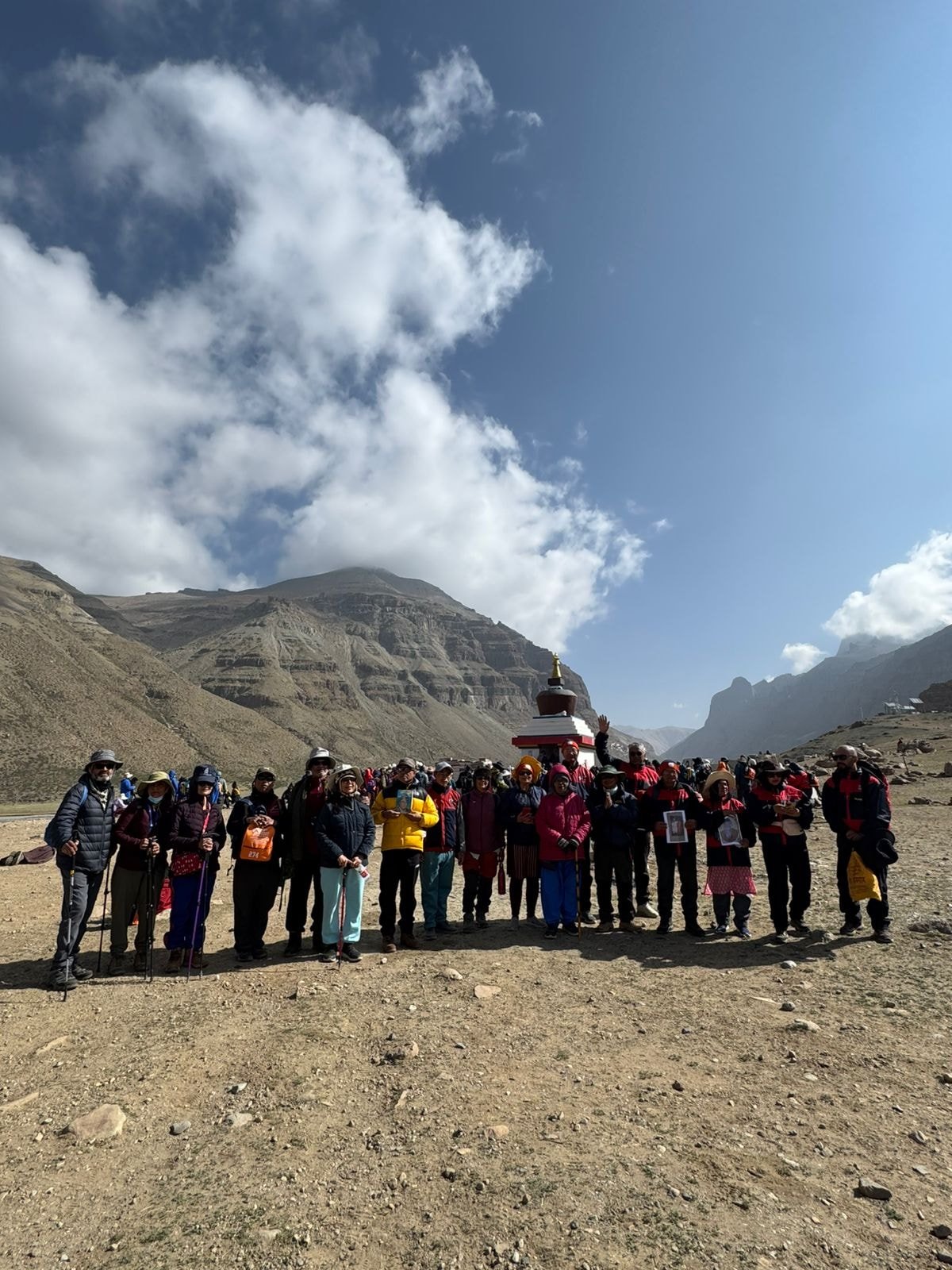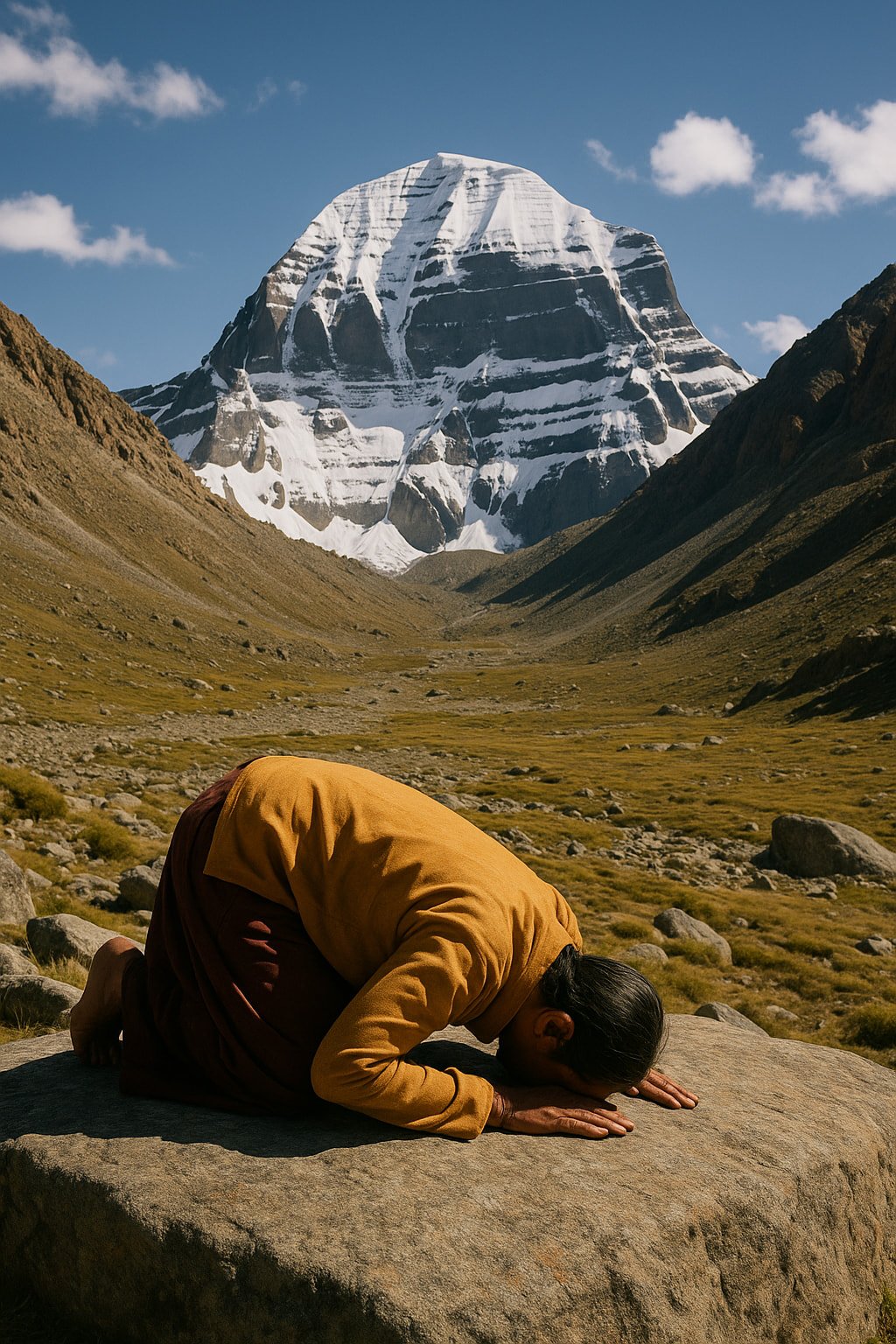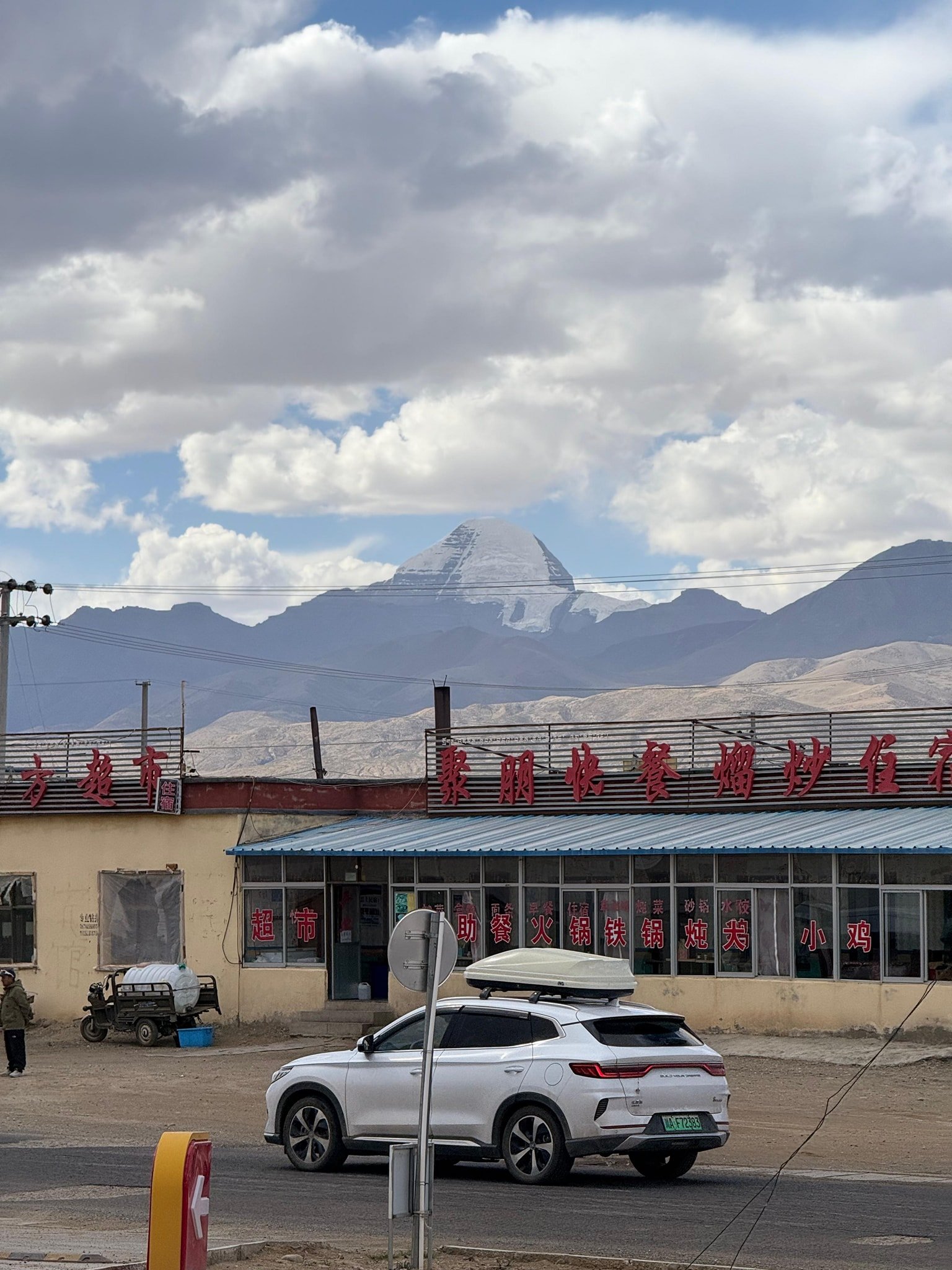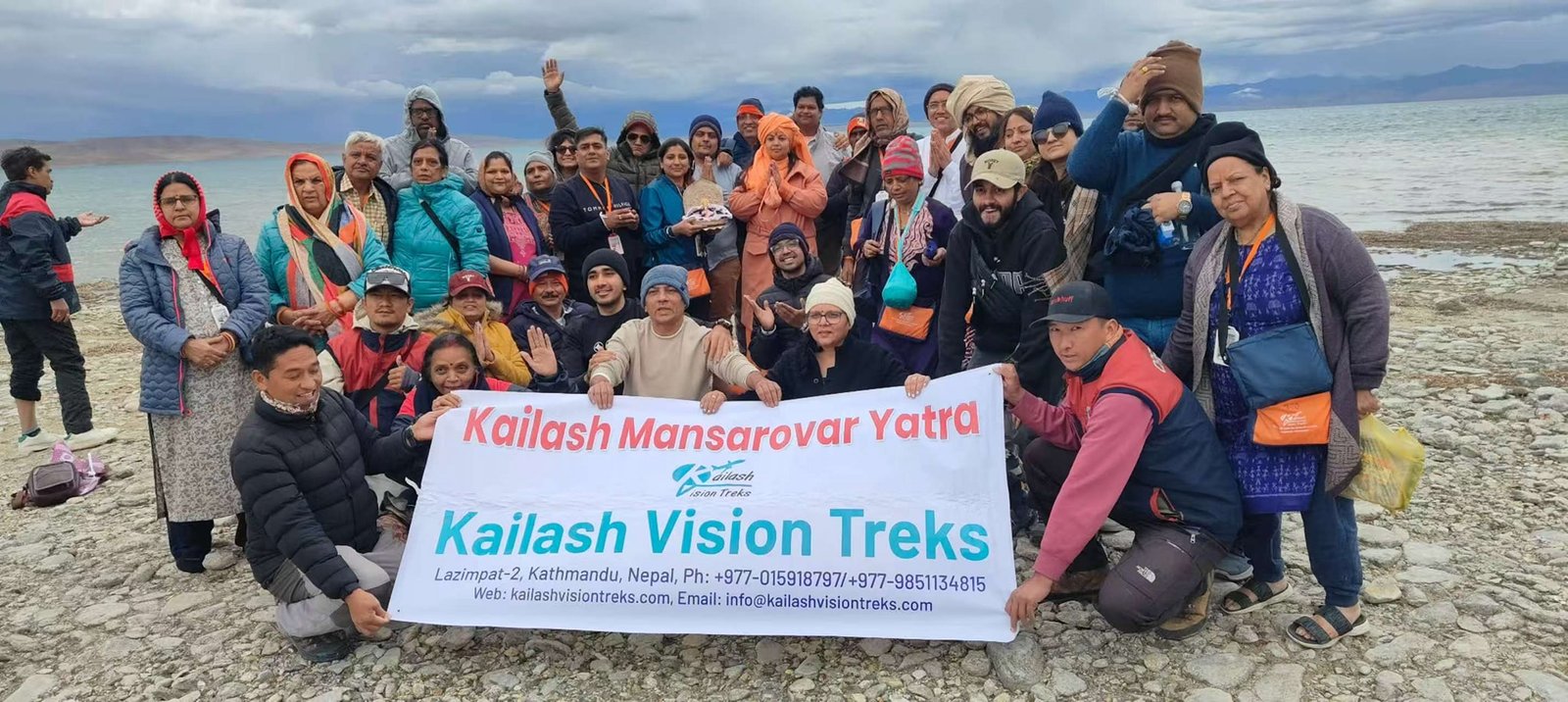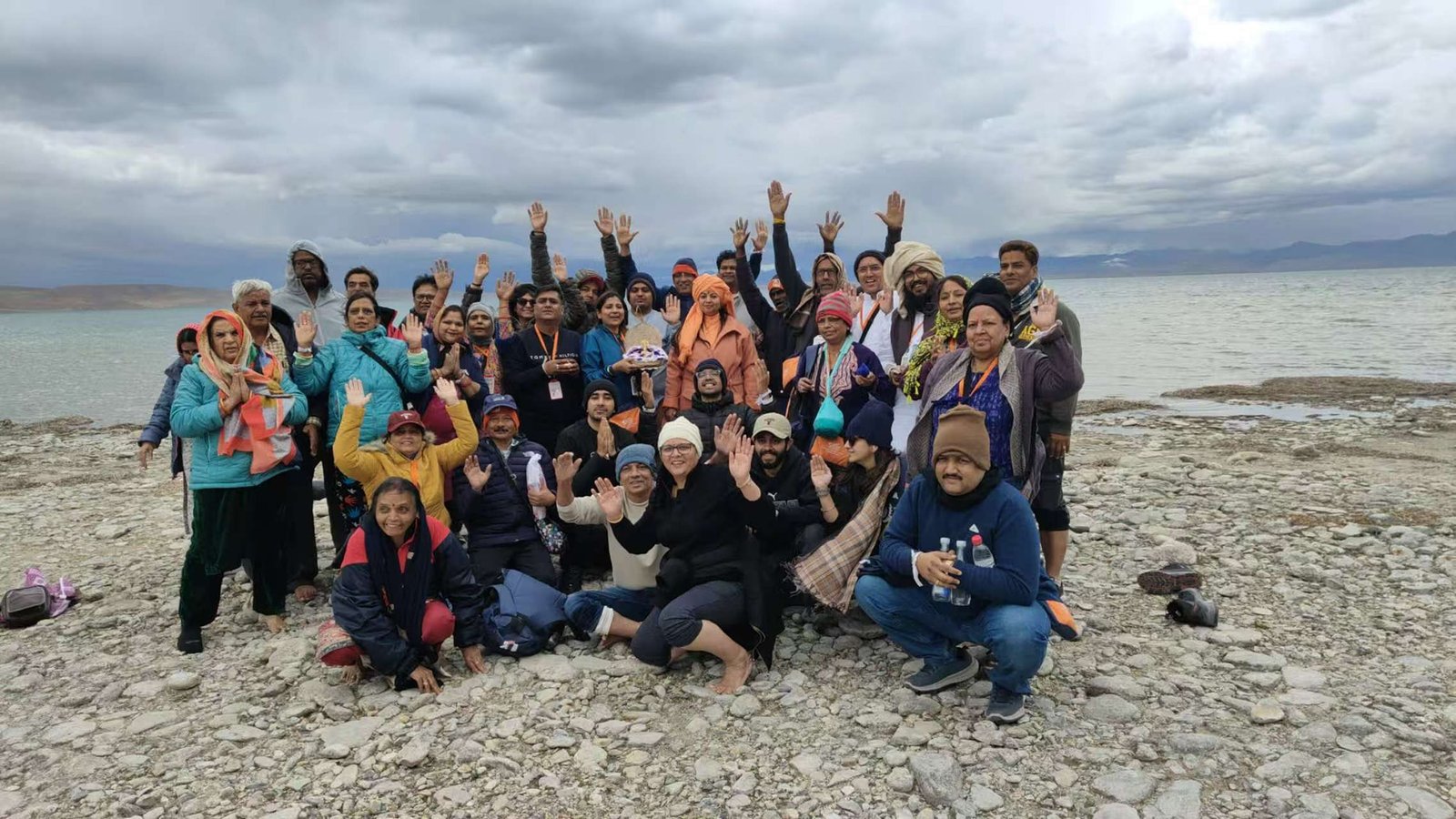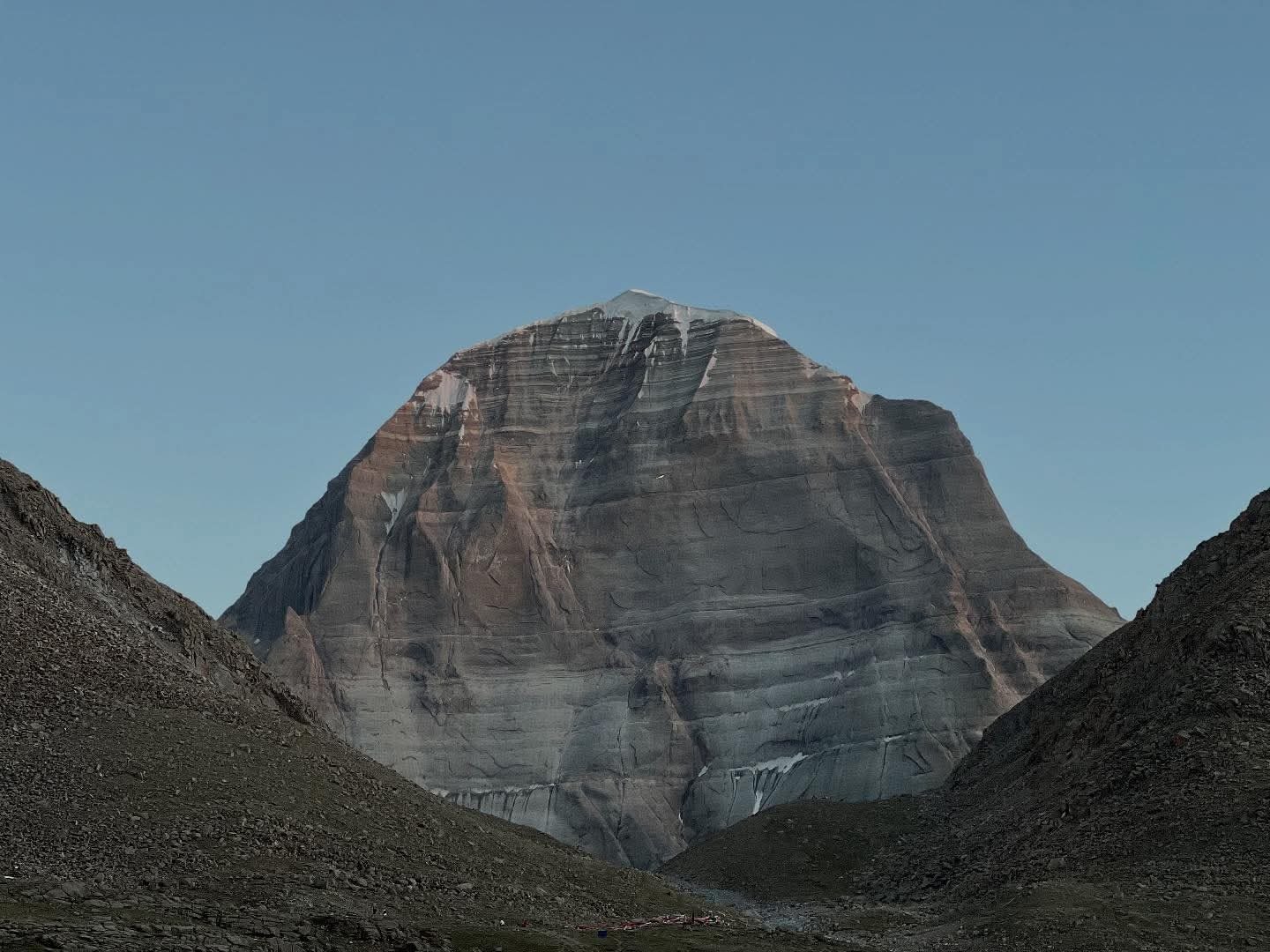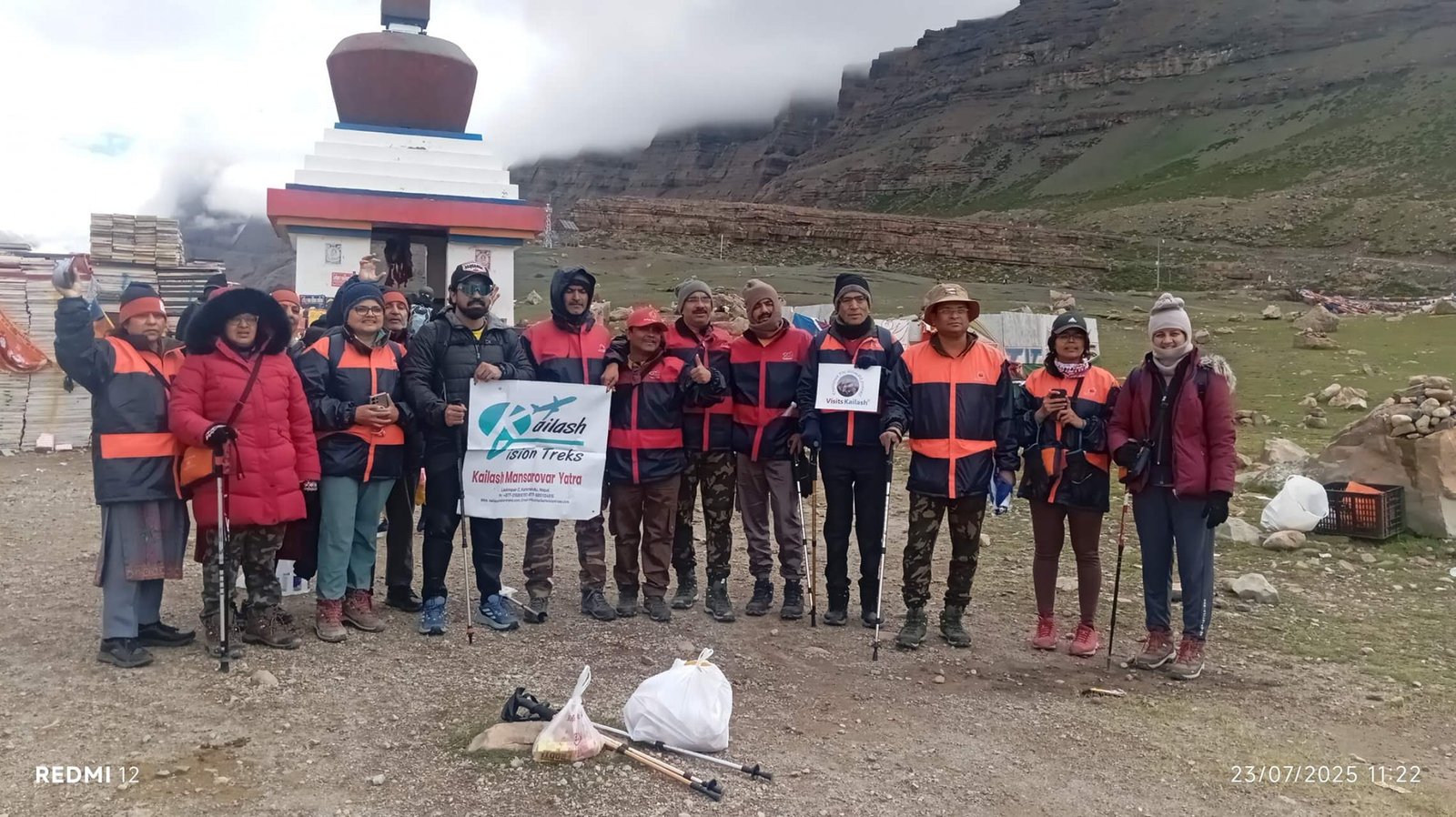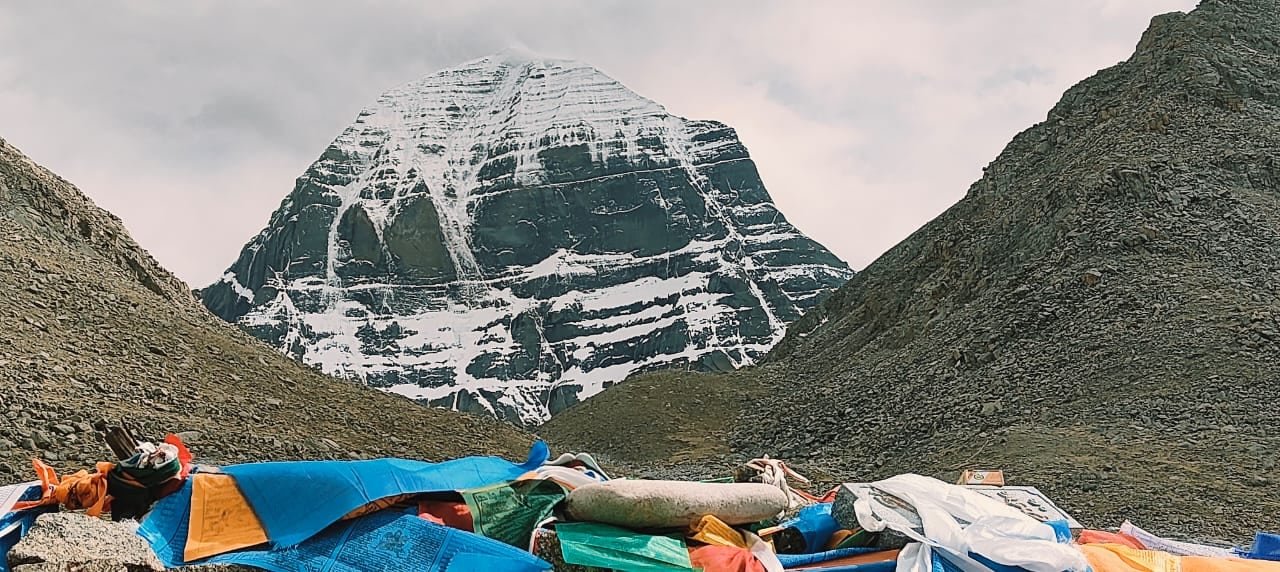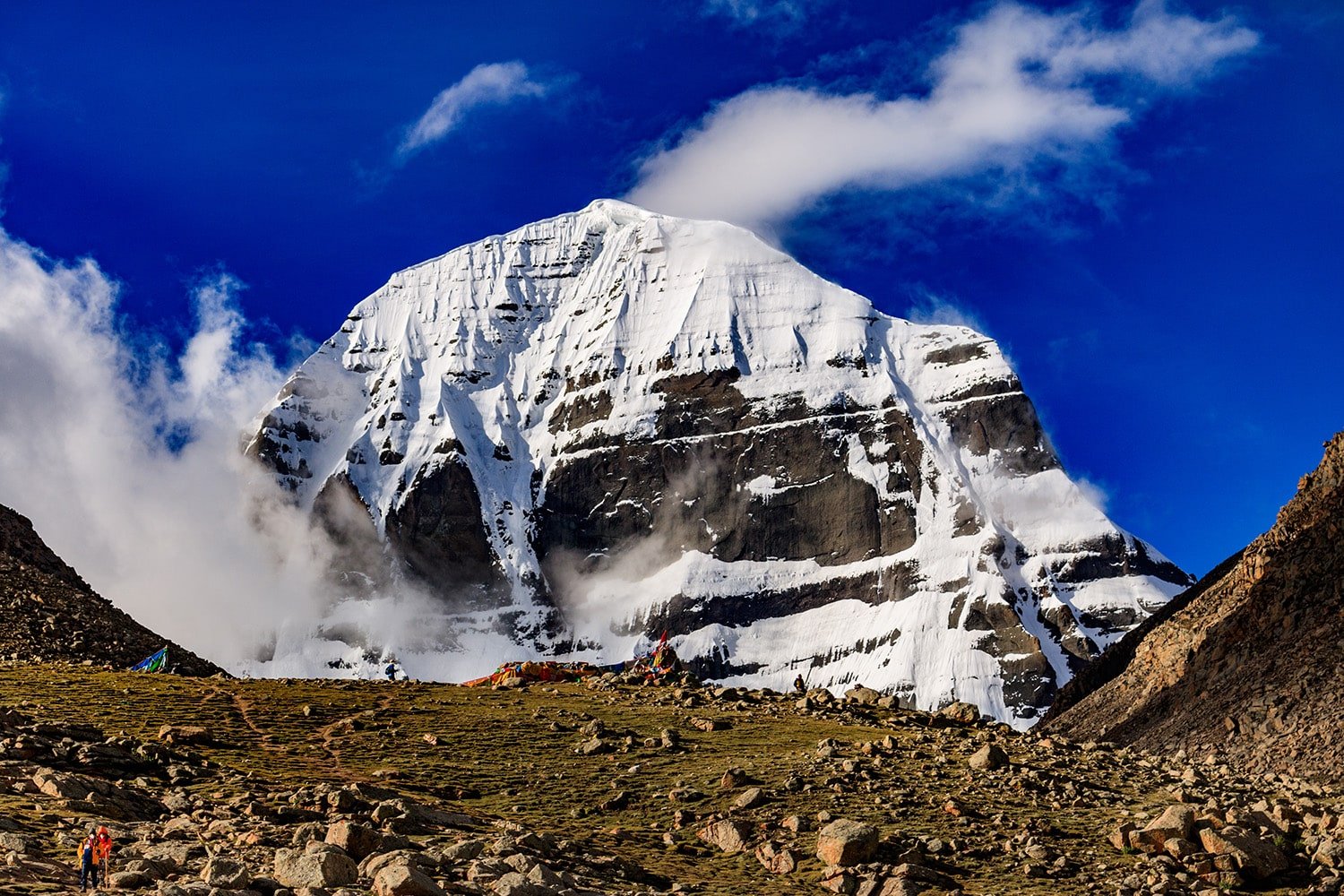
It is a sacred pilgrimage to Mount Kailash and Lake Mansarovar in Tibet (China), revered by Hindus, Buddhists, Jains, and Bon followers. It is believed to be the abode of Lord Shiva.
FAQs
Planning a Kailash Mansarovar Yatra often comes with many questions – from travel permits and routes to health and fitness requirements. This FAQ section is designed to answer the most common queries and make your preparation easier.
Your Guide to
What is the Kailash Mansarovar Yatra?
What is the purpose of Kailash Parikrama (circumambulation)?
Parikrama of Mount Kailash is believed to cleanse one’s sins and bring spiritual liberation.
Where is Mount Kailash located?
Mount Kailash is in the Ngari Prefecture of Tibet, near the sources of the Indus, Brahmaputra, Sutlej, and Karnali rivers.
What kind of accommodation is available on the route?
Accommodation is basic—tents, guesthouses, or local dharamshalas with minimal facilities.
What should I pack for Kailash Mansarovar Yatra?
Essential items include:
- Warm clothing and layers
- Trekking shoes and gloves
- Medicines (including Diamox)
- Water bottles, energy snacks
- Sunglasses, sunscreen, ID documents
Is food provided during the Yatra?
Yes. Vegetarian meals are generally provided by operators. Carry personal dry snacks for energy.
Why is Mount Kailash spiritually important?
Mount Kailash is believed to be the divine abode of Lord Shiva and a spiritual center of the universe in multiple religions.
What is Acute Mountain Sickness (AMS) on Kailash Yatra?
AMS is a condition caused by high altitude. Symptoms include headache, dizziness, and shortness of breath.
What is the best time to go for Kailash Mansarovar Yatra?
May to September is the best time due to favorable weather and accessible terrain.
Is mobile network available during the Kailash Yatra?
Network coverage is limited. Indian SIMs don’t work in Tibet. Satellite phones may be provided by guides.
Is photography allowed at Mount Kailash and Mansarovar?
Yes, except in restricted areas like military zones or some religious sites.
Why is Lake Mansarovar important?
Lake Mansarovar holds great spiritual significance in Hinduism, Buddhism, Jainism, and Bon. It is revered as a symbol of purity and a sacred destination for pilgrims. The lake is also renowned for being linked to the origins of major rivers and for its breathtaking natural beauty.
Can I take a holy dip in Lake Mansarovar?
While taking a holy dip in Lake Mansarovar is a cherished ritual for many, it is generally prohibited by Chinese authorities due to environmental and religious reasons. Pilgrims can, however, perform a symbolic bath by collecting water from the lake and using it.
Who is eligible for Kailash Mansarovar Yatra?
The official age limit for the Kailash Mansarovar Yatra is typically 18 to 70 years.
- Minimum Age: 18 years (due to the physical and mental demands of high-altitude trekking).
- Maximum Age: 70 years (to ensure the safety of pilgrims, as older travelers are at higher risk of altitude sickness and health complications).
In exceptional cases, special medical clearance and permits may be required for participants close to or beyond this age limit.
Do I need a visa and permit for Kailash Yatra?
Yes. You need a Chinese Group Visa, Tibet Travel Permit, and additional local permits.
Is Kailash Mansarovar Yatra physically demanding?
Yes. The high altitude and rugged terrain make it physically challenging and require good fitness.
Are medical facilities available during Kailash Yatra?
Basic medical support is available. Emergency evacuation and medication must be planned in advance.
Can non-Hindus go on the Kailash Yatra?
Yes, the Yatra is open to followers of all spiritual traditions.
Can children go on Kailash Yatra?
It’s generally not recommended for those under 10 years, due to high-altitude risks.
What is the total cost of Kailash Mansarovar Yatra?
Estimated cost:
- MEA Route $3,240 – $3,960 AUD
- Nepal Route $4,500 – $6,300 AUD
- Tibet Route $6,300 – $8,100 AUD
How many days does the Kailash Yatra take?
- Indian Government route: 23–27 days
- Nepal route: 10–15 days
- Tibet/Lhasa route: 14–16 days
Can I hire a pony or yak for Kailash Parikrama?
Yes, ponies and porters can be hired in advance for the trek.
What documents are required for Kailash Yatra?
You’ll need:
- Valid passport (minimum 6-month validity)
- Passport-sized photos
- Fitness and medical certificates
- Completed application forms
- Travel insurance and COVID-related documents (if applicable)
Is travel insurance mandatory for Kailash Yatra?
Yes, travel and medical insurance covering high-altitude sickness and emergency evacuation is recommended.
How long is the Kailash Parikrama trek?
The Parikrama is 52 km, completed over 3 days.
Can women undertake the Kailash Yatra?
Yes. Women can participate, but are advised to plan around their menstrual cycle due to limited hygiene access.
What are the main routes to Kailash Mansarovar?
- Lipulekh Pass via Uttarakhand (India)
- Nathu La Pass via Sikkim (India)
- Simikot–Hilsa route via Nepal
- Lhasa route via Tibet (China)